How to Choose the Right Silicone Toys for Different Uses
News Details
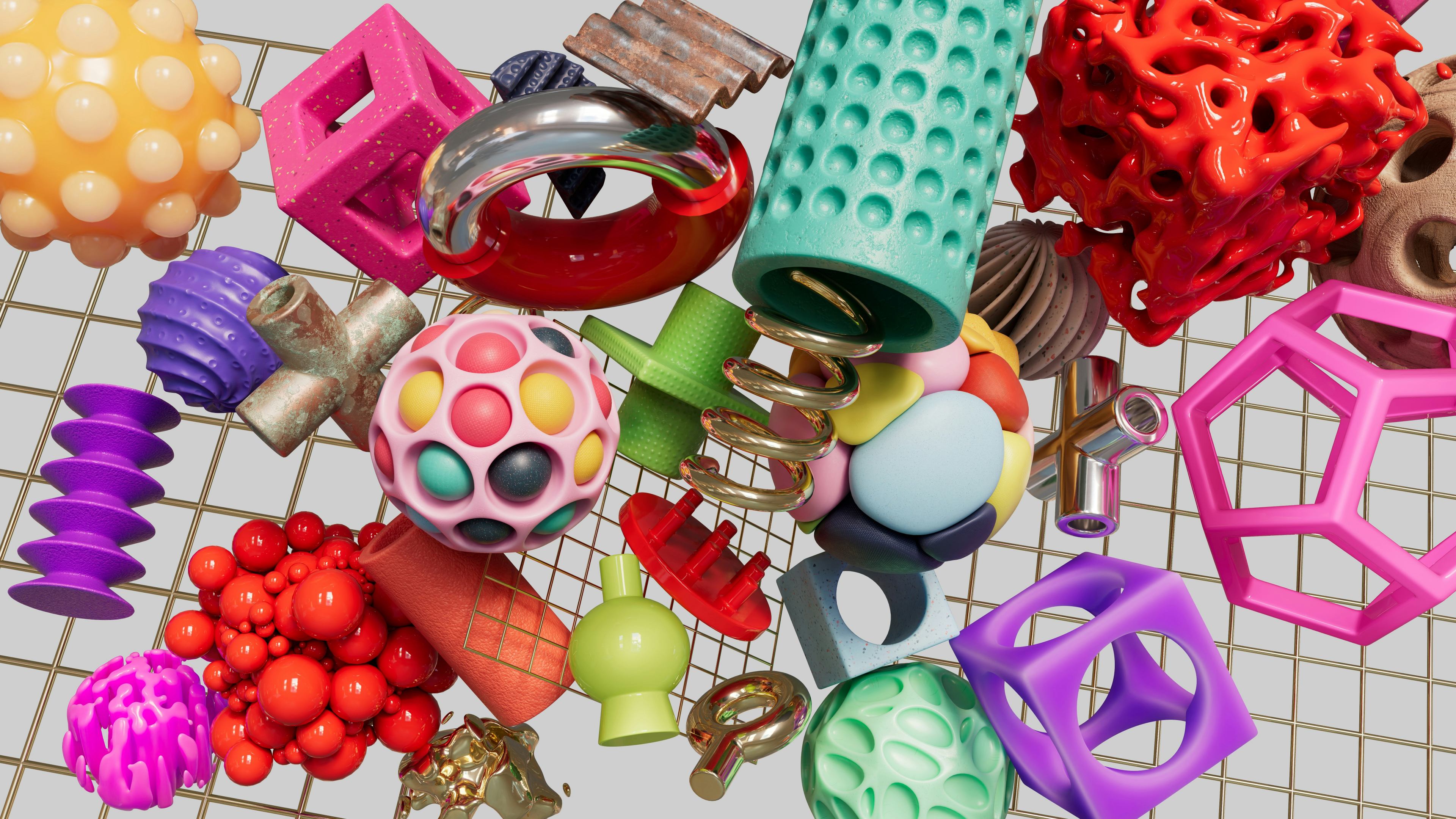
Silicone toys are popular because they are soft, flexible, and easy to shape. They are also used in many product categories, from sensory toys and stress-relief products to personal wellness products. However, not every silicone toy is designed for the same use.
Therefore, choosing the right product starts with understanding the material, design, size, hardness, and cleaning needs. In addition, the right choice should match the intended user and application.
This guide explains how to choose silicone toys for different uses and what key factors to check before buying.
Why Silicone Is a Popular Material for Toys
Silicone is widely used because it offers a useful balance of softness, strength, and flexibility. Compared with some hard plastic materials, silicone can provide a softer touch and a more comfortable surface.
High-quality silicone is also easy to shape. As a result, manufacturers can create products in many forms, sizes, textures, and hardness levels.
Other common benefits include:
- Soft and flexible feel
- Good shape retention
- Easy-to-clean surface
- Good resistance to water and moisture
- Available in different hardness levels
- Suitable for many colors and custom designs
- Durable when properly used and maintained
However, product quality can vary. Therefore, buyers should check the actual material and product specifications instead of choosing only by appearance or price.
How to Choose Silicone Toys by Intended Use
The intended use should be the first factor to consider. Different applications need different product designs.
For example, a sensory toy may need a soft surface and simple shape. A stress-relief toy may need flexible parts that can handle repeated squeezing. Meanwhile, personal wellness products may require more attention to body-safe materials, cleaning, and product instructions.
Before buying, ask:
- What is the toy designed for?
- Who will use it?
- How often will it be used?
- Does it need to be washable?
- What level of softness or firmness is suitable?
- Are there any special safety requirements?
These questions can help narrow down the right silicone toy more quickly.
How to Choose Silicone Toys for Sensory Play
Silicone is often used for sensory products because its soft and flexible surface can provide different tactile experiences.
When choosing silicone toys for sensory play, look for simple shapes, suitable textures, and a size that is easy to hold. For younger users, safety should receive extra attention. The product should be designed for the correct age group and should not contain small detachable parts that may create a choking risk.
It is also important to check the manufacturer's age recommendations and care instructions.
For sensory applications, useful features may include:
- Soft silicone surfaces
- Different textures
- Flexible designs
- Easy-to-hold shapes
- Bright or simple colors
- Easy cleaning
The design should always match the intended user rather than focusing only on visual appeal.
How to Choose Silicone Toys for Stress Relief
Silicone is also commonly used for stress-relief products. These products are usually designed to be squeezed, pressed, stretched, or manipulated by hand.
For this type of use, flexibility is especially important. A product that is too hard may not provide the desired hand feel, while one that is too soft may lose its shape quickly.
Consider the following factors:
Silicone Hardness
Silicone hardness affects how a product feels when squeezed or pressed. Softer silicone generally feels more flexible, while firmer silicone provides more resistance.
Product Size
A compact design may be easier to carry and use at a desk. A larger product may provide a better grip for repeated hand movement.
Durability
If the product will be used frequently, choose a design made for repeated handling. Strong silicone and a well-designed structure can help improve product life.
How to Choose Silicone Toys for Personal Wellness
For personal wellness products, material quality and hygiene become especially important.
Choose products made from clearly identified, suitable silicone materials and follow the manufacturer's cleaning and use instructions. A smooth, non-porous silicone surface can also make cleaning easier.
Other points to consider include:
- Product size
- Silicone hardness
- Surface design
- Waterproof rating, if applicable
- Cleaning method
- Storage requirements
- Manufacturer instructions
The product should also be used only for its intended purpose. Following the product instructions can help reduce unnecessary wear and support safer use.
How Silicone Hardness Affects Toy Selection
Silicone hardness is one of the most important factors when choosing a silicone toy.
Different products may use different silicone hardness levels. A soft formulation can provide a flexible and gentle feel, while a firmer formulation can offer greater resistance and structural support.
For example:
| Application | Common Design Preference |
|---|---|
| Sensory products | Soft and flexible |
| Stress-relief toys | Soft to medium firmness |
| Flexible novelty toys | Medium firmness |
| Structured silicone products | Medium to firm |
| Products requiring shape retention | Firmer silicone |
These are general design considerations rather than fixed rules. The best hardness depends on the product's purpose and construction.
How to Choose the Right Silicone Toy Size
Size also affects comfort, handling, storage, and portability.
Small silicone toys are convenient for travel or everyday storage. Medium-sized products can provide a balance between portability and usability. Larger products may be suitable when a bigger grip or larger surface is needed.
However, bigger does not always mean better. The product should be appropriately sized for its intended application.
For manufacturers and buyers, it is useful to review detailed dimensions before placing an order. Product length, width, weight, and thickness can all affect the final user experience.
How to Check Silicone Toy Quality
Material quality should be checked before purchasing silicone toys in bulk or for regular use.
First, check whether the manufacturer clearly states the silicone material used. Next, review the product specifications, production standards, and available quality documentation.
You should also inspect:
- Surface smoothness
- Color consistency
- Odor
- Edge quality
- Product flexibility
- Overall shape
- Connection points
- Packaging quality
A strong manufacturing process can help reduce problems such as uneven surfaces, poor molding, or inconsistent dimensions.
How to Choose Easy-to-Clean Silicone Toys
Cleaning is another important factor, especially for products that are handled frequently.
Simple shapes with smooth surfaces are generally easier to clean than designs with deep grooves or hard-to-reach areas. Therefore, product design should be considered alongside material selection.
Always follow the manufacturer's cleaning instructions. Different silicone products may have different care requirements, and some products may include electronic components that need special handling.
Proper cleaning and dry storage can also help extend product life.
Silicone Toys for Different Buyers and Applications
The right product can vary depending on who is buying it.
For individual consumers, comfort, size, appearance, and ease of cleaning may be the main concerns.
For retailers, product quality, packaging, product variety, and market demand may be more important.
For wholesalers and brands, other factors may include:
- Custom colors
- Custom shapes
- Logo printing
- Private labeling
- Packaging design
- Product specifications
- Minimum order quantity
- Production capacity
Therefore, buyers should select a silicone toy supplier based not only on product price but also on manufacturing ability and quality control.
How to Choose a Silicone Toy Manufacturer
If you are purchasing silicone toys for wholesale or custom production, supplier selection is just as important as product selection.
Start by checking the manufacturer's experience with silicone products. Then, review its production process, quality control system, customization options, and communication process.
A reliable supplier should be able to provide clear information about:
- Silicone material
- Product dimensions
- Hardness options
- Available colors
- Custom designs
- Packaging
- Quality inspection
- Sample production
- Order quantities
It is also a good idea to request samples before placing a large order. Samples allow buyers to check the actual material feel, size, color, finish, and overall quality.
Common Mistakes When Choosing Silicone Toys
Choosing a silicone toy only by appearance is a common mistake. A product may look attractive but still be unsuitable for its intended application.
Another common mistake is focusing only on price. Lower prices may sometimes come with differences in material quality, production control, packaging, or durability.
Buyers should also avoid ignoring product instructions. Even a high-quality silicone product needs proper use, cleaning, and storage.
In short, consider the complete product rather than one feature.
Final Guide to Choosing the Right Silicone Toys
Choosing the right silicone toy starts with the intended use. Next, consider the material, hardness, size, shape, durability, cleaning needs, and product quality.
For sensory products, focus on texture and safe design. For stress-relief toys, pay more attention to flexibility and durability. For personal wellness products, material quality, hygiene, and care instructions are especially important.
For wholesale and custom projects, supplier experience and production capabilities should also be part of the selection process.
By comparing these factors carefully, buyers can choose silicone toys that better match their application, target users, and product requirements.


有限公司,Main BusinessRubber and plastic)


