How Are Silicone Toys Made? A Simple Manufacturing Guide
News Details
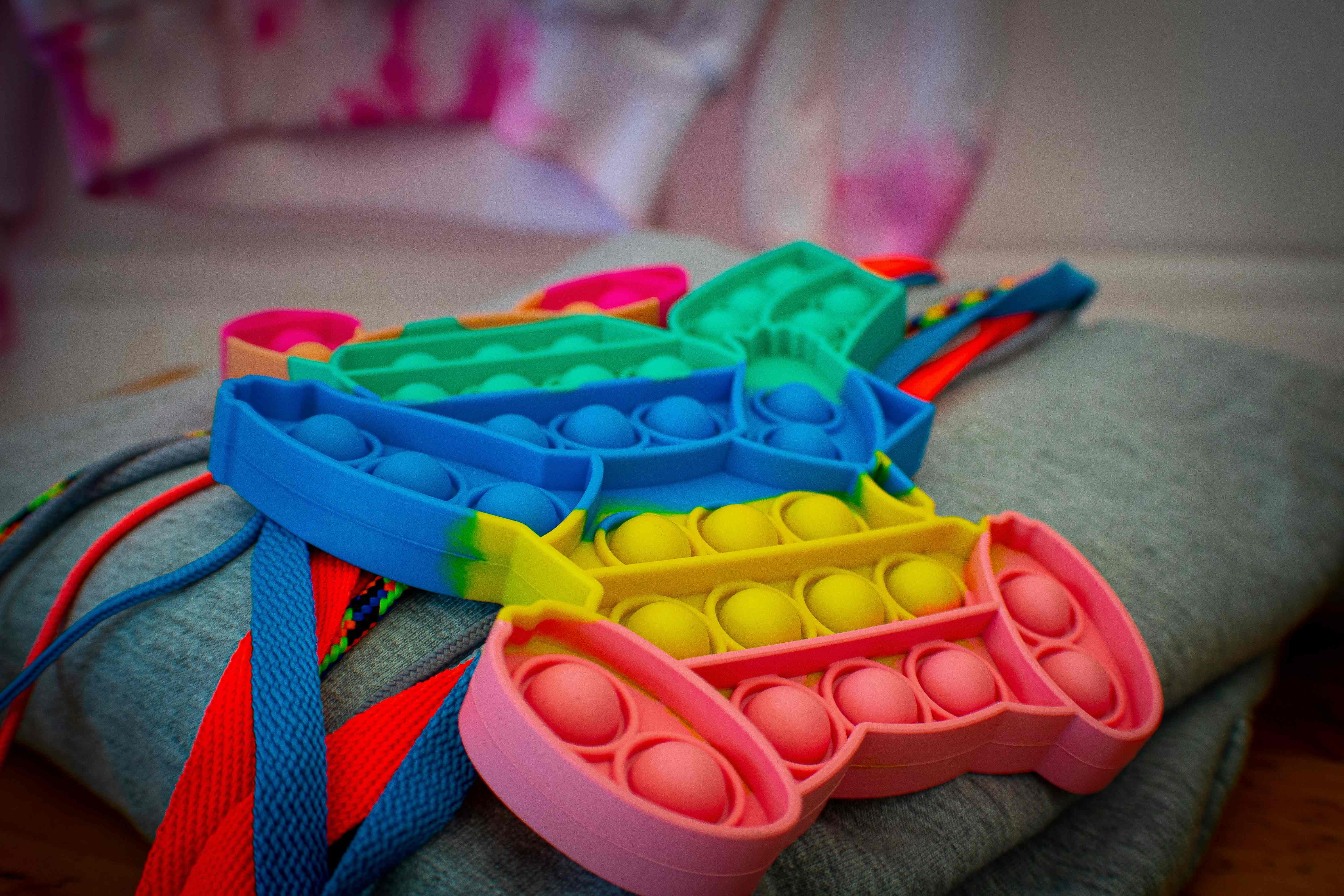
Silicone toys are popular because they are soft, flexible, durable, and easy to shape. From baby toys and sensory toys to animal figures and custom promotional products, silicone can be used for many toy designs.
But how are silicone toys made? The process usually includes product design, mold making, silicone mixing, molding, curing, trimming, inspection, and packaging. Each step affects the final look, feel, and quality of the toy.
In this guide, we will explain the silicone toy manufacturing process in simple terms. You will also learn about common silicone materials, molding methods, quality checks, and custom silicone toy production.
What Materials Are Used to Make Silicone Toys?
The main material used in silicone toys is silicone rubber. Silicone is a flexible material made from silicon, oxygen, carbon, and hydrogen.
For toy production, manufacturers may use different grades of silicone based on the product design and its intended use. The material can also be adjusted to create different levels of softness, hardness, flexibility, and surface feel.
Silicone also has several useful features:
- Soft and flexible feel
- Good shape recovery
- Good heat resistance
- Good wear resistance
- Easy to clean
- Suitable for detailed shapes
- Available in many colors
For toys designed for children, the material selection is especially important. Manufacturers should choose materials that meet the required product and safety standards for the target market.
How Does Silicone Toy Design Work?
The silicone toy manufacturing process starts with product design.
First, the manufacturer creates a 2D drawing or 3D model. The design needs to include the toy's size, shape, surface details, color, and other features.
Next, the design is reviewed for production. Some shapes may look good on a screen but may be difficult to mold. Therefore, manufacturers often adjust the design before making the mold.
Important design factors include:
- Wall thickness
- Product size
- Surface details
- Mold structure
- Parting lines
- Air release
- Color requirements
- Assembly requirements
A production-ready design can help reduce mold problems and improve the consistency of finished silicone toys.
How Are Silicone Toy Molds Made?
After the design is confirmed, the next step is mold making.
A mold is a shaped tool that gives the silicone its final form. Depending on the toy design, manufacturers may use a simple one-piece mold or a more complex multi-part mold.
The mold is usually made with precision machining or other suitable mold-making methods. Fine details can be added to the mold so they appear on the finished toy.
For example, a custom animal toy may need small details for its eyes, ears, fur texture, or other features. The mold must reproduce these details accurately.
Before mass production begins, the manufacturer normally checks the mold with trial samples. If the sample does not meet the design requirements, the mold can be adjusted.
How Is Silicone Mixed and Colored for Toy Production?
Once the mold is ready, the silicone material is prepared.
Manufacturers mix silicone components according to the selected production process. At this stage, pigments can also be added to create the required color.
Silicone toys can be produced in many colors. In addition, different colors can be used in one product when the design requires multiple parts or color areas.
The silicone mixture needs to be prepared carefully. Consistent mixing helps create stable color and material performance throughout production.
For custom silicone toys, customers may provide a color reference or a target color. The manufacturer can then prepare samples for confirmation before larger production runs.
What Silicone Molding Methods Are Used?
Molding is one of the most important steps in silicone toy manufacturing.
Different products may require different molding methods. The choice depends on the toy's size, shape, material, details, and production volume.
Compression Molding for Silicone Toys
Compression molding is a common method for silicone products.
In this process, silicone material is placed into a mold. The mold is then closed and heated under controlled pressure. The silicone fills the mold and cures into the required shape.
This method works well for many solid silicone toys and products with relatively simple structures.
Liquid Silicone Molding for Detailed Toys
Liquid silicone molding uses liquid silicone material that is injected into a mold.
This process can provide good detail and stable production results. It can be useful for products with complex shapes or fine features.
Because the material and equipment requirements can be different, manufacturers select the molding method based on the product design and production needs.
How Is Silicone Cured Into a Finished Toy?
After the silicone is placed into the mold, it needs to cure.
Curing uses heat or other controlled conditions to turn the silicone into a stable rubber product. During this stage, the material takes on the shape of the mold.
The curing time depends on factors such as:
- Silicone type
- Product size
- Product thickness
- Mold design
- Production temperature
- Manufacturing method
Proper curing is important. If the curing process is not well controlled, the finished toy may have problems with shape, surface quality, or material performance.
How Are Silicone Toys Trimmed After Molding?
After curing, the molded silicone toy is removed from the mold.
However, the product may still have small amounts of excess silicone around the edges or mold lines. These extra parts need to be removed.
Manufacturers may use manual trimming or suitable production tools. The goal is to create a clean edge and improve the appearance of the toy.
For toys with detailed designs, careful trimming is important because too much cutting may damage small features.
How Are Silicone Toys Colored and Finished?
Some silicone toys are made from one color of silicone. Others use several colors or additional surface treatments.
For example, a custom toy may include:
- Two or more silicone colors
- Printed details
- Painted areas
- Text or logos
- Different surface textures
The finishing method depends on the product design. Manufacturers need to make sure the colors and details match the approved sample.
A final surface check can also help identify issues such as uneven color, marks, bubbles, or unwanted material.
How Is Silicone Toy Quality Checked?
Quality control is an important part of silicone toy manufacturing.
Before products are packed, manufacturers normally inspect them based on the agreed specifications. The inspection process may include checking dimensions, color, shape, surface finish, and overall appearance.
For custom silicone toys, common quality checks include:
- Size and shape inspection
- Color inspection
- Surface inspection
- Edge and trimming inspection
- Logo and detail inspection
- Assembly inspection
- Packaging inspection
If the toy is intended for children, applicable toy safety requirements should also be considered. Testing requirements can vary by country and product type, so manufacturers should identify the relevant standards before production.
How Are Custom Silicone Toys Made?
Custom silicone toys follow the same basic production process, but the design and production requirements are developed around the customer's needs.
A typical custom silicone toy project includes these steps:
- Product idea or drawing
- 3D design
- Design review
- Prototype or sample
- Mold development
- Sample approval
- Mass production
- Quality inspection
- Packaging
- Shipment
For example, a company may want a custom silicone mascot based on its brand character. The manufacturer can turn the artwork into a 3D model, develop the mold, produce samples, and then start mass production after approval.
This process gives businesses more control over the toy's shape, color, size, and branding details.
What Affects Silicone Toy Manufacturing Cost?
The cost of making silicone toys depends on several factors.
First, product size has an effect because larger toys normally require more silicone material. Second, complex shapes may require more complicated molds and longer production work.
Other cost factors include:
- Mold design and tooling
- Silicone material
- Product size and weight
- Number of colors
- Surface details
- Production quantity
- Packaging
- Testing requirements
- Custom printing or finishing
For this reason, a simple silicone toy and a highly detailed custom toy can have very different production costs.
When comparing manufacturers, it is useful to look at the complete production plan rather than only the unit price.
How Can You Choose a Silicone Toy Manufacturer?
Choosing the right manufacturer can help make production smoother.
First, check whether the supplier has experience with silicone products similar to your design. A manufacturer with suitable molding equipment and production experience may be better prepared to handle custom shapes and details.
Next, ask about samples. A sample can help you check the product size, color, softness, surface finish, and overall appearance before mass production.
You should also discuss:
- Silicone material options
- Mold costs
- Minimum order quantity
- Sample time
- Production time
- Quality control
- Packaging options
- Custom colors and logos
- Testing and compliance needs
Clear communication at the start can help prevent costly changes later.
Why Is Silicone a Popular Material for Custom Toys?
Silicone is widely used for toys because it combines flexibility with good durability.
It can be molded into simple or detailed shapes. It is also available in many colors and can support different surface designs.
As a result, silicone can work well for many types of products, including sensory toys, collectible figures, baby products, promotional items, and custom character toys.
At the same time, the right material and production process depend on the specific product. Therefore, manufacturers should consider the toy's purpose, target users, design, and market requirements before production.
Final Guide to Silicone Toy Manufacturing
So, how are silicone toys made?
The process starts with a product idea and design. Then, the manufacturer develops a mold, prepares the silicone, adds color if needed, and uses a suitable molding method. After curing, the toy is removed, trimmed, finished, and inspected. Finally, approved products are packed for delivery.
For custom silicone toys, good design and clear production requirements are especially important. By working with an experienced silicone toy manufacturer and checking samples before mass production, businesses can create products that match their design and quality needs.


有限公司,Main BusinessRubber and plastic)


